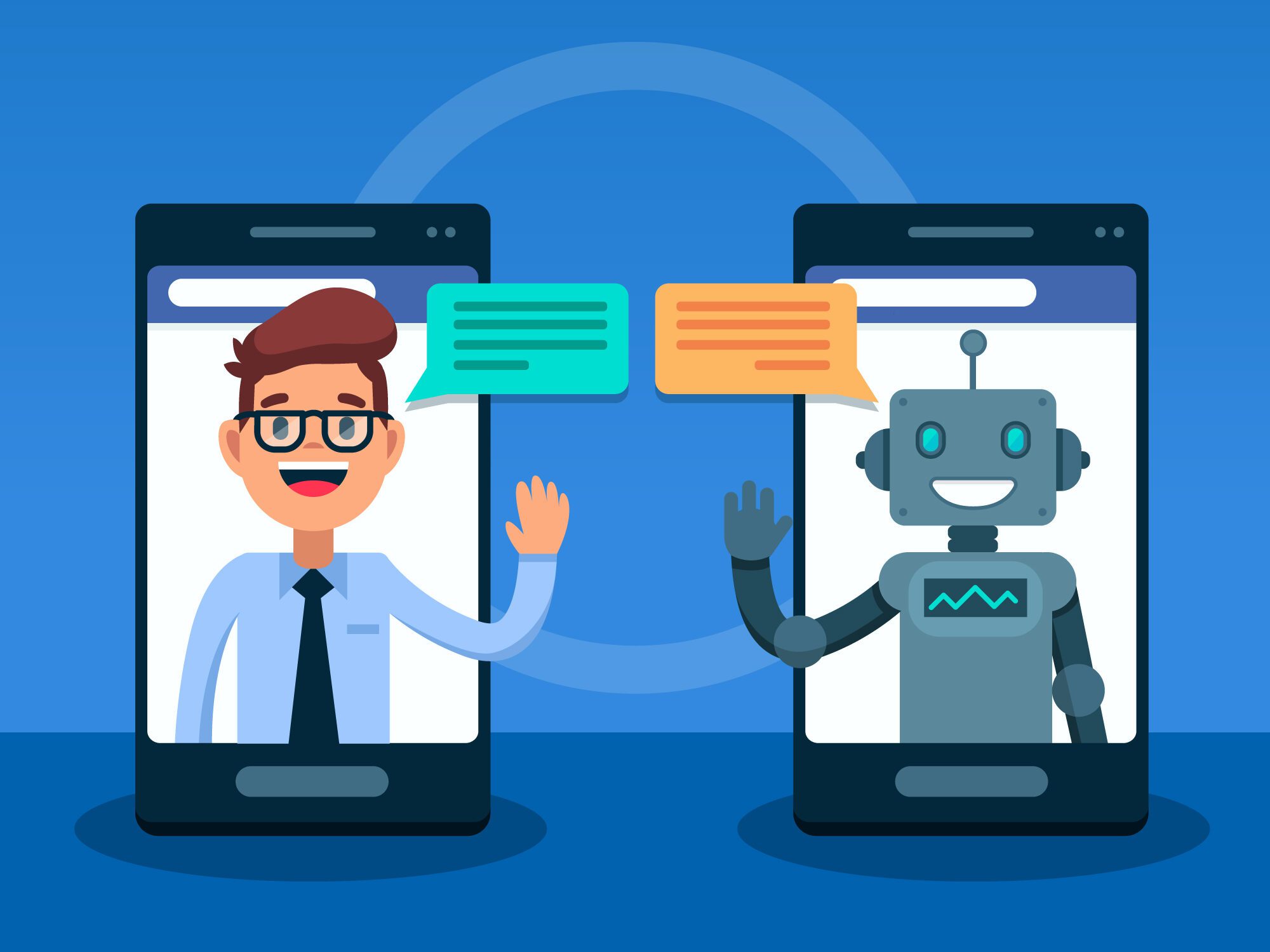
Choosing between a Virtual Receptionist vs AI Answering Service can significantly impact your business operations and customer experience. Both options cater to distinct needs, offering unique solutions depending on your business size, customer interaction requirements, and budget. Virtual receptionists provide a human touch, ensuring personalized communication and a deeper understanding of complex inquiries, while AI answering systems excel in efficiency, handling routine queries with speed and consistency.
A virtual receptionist operates as an off-site professional who manages tasks like call answering, appointment scheduling, and customer inquiries. They ensure customers feel valued by offering empathetic and context-rich conversations. On the other hand, AI answering services rely on advanced algorithms to respond to queries instantly. They are highly cost-effective and capable of functioning 24/7, making them ideal for businesses that need round-the-clock support but may not require nuanced customer interactions.
While both services offer exceptional advantages, understanding their differences helps in making a well-informed decision. Virtual Reception is an excellent choice for Australian businesses seeking the personalisation of a human receptionist combined with the reliability of a professional team. In contrast, AI answering systems suit businesses prioritising speed and scalability without compromising operational costs.
What is an AI Answering Service?
An AI answering service is an automated solution that uses artificial intelligence to manage and respond to customer calls and inquiries. These systems are designed to handle routine tasks like answering questions, transferring calls, and providing information efficiently. They rely on natural language processing (NLP) and machine learning technologies to understand customer intent and deliver accurate responses.
AI answering services operate 24/7, ensuring no call goes unanswered. While they are ideal for managing high call volumes and repetitive inquiries, they may escalate more complex issues to human agents for resolution. This makes them a cost-effective and time-saving option for businesses looking to enhance customer support without increasing staff.
What is a Virtual Receptionist Service?
A virtual receptionist service is a professional remote solution where trained individuals manage business calls, appointments, and inquiries on behalf of a company. Unlike automated systems, virtual receptionists are real people who provide personalised and empathetic communication, ensuring every interaction feels professional and tailored to the caller’s needs.
These services handle tasks such as call answering, appointment scheduling, message taking, and call transfers. Virtual receptionist services are particularly beneficial for businesses looking to maintain a human touch in their customer interactions while saving on the costs associated with hiring in-house staff. They ensure your business remains responsive and professional, even outside regular operating hours.
What Are the Differences Between Virtual Receptionists and Automated Answering Services?
Choosing between a virtual receptionist and an automated answering service depends on the specific needs of your business. Virtual receptionists provide a human touch with personalised service, while automated answering services are efficient and cost-effective. Both have unique features that cater to different aspects of customer interaction.
The table below highlights the key differences between these two services to help you decide which one suits your business better:
Feature
Virtual Receptionist
Automated Answering Service
Interaction Type
Human-based, offering personalised communication
AI-driven, relying on pre-programmed responses
Cost
Higher due to human involvement
More affordable with fixed operational costs
Availability
Limited to scheduled hours unless otherwise arranged
24/7, uninterrupted operation
Complex Query Handling
Excellent for nuanced and detailed inquiries
Limited often escalates complex issues for humans
Scalability
Limited by team size
Highly scalable without additional staff
Customer Experience
Builds trust and fosters relationships with a human touch
Efficient but lacks emotional engagement
Brand Representation
Tailored to represent your business’s values and tone
Standardised responses with less personalisation
Virtual receptionists are ideal for businesses requiring professional, empathetic interaction to build customer trust and loyalty. Automated answering services, however, are an excellent fit for companies prioritising cost-efficiency and 24/7 availability.
How Does an Automated Answering Service and Virtual Receptionist Work?
Both automated answering services and virtual receptionist services are designed to manage business communications but operate in fundamentally different ways. Understanding how each system works can help you decide the best solution for your business needs.
How an Automated Answering Service Works?
An automated answering service uses artificial intelligence (AI) and advanced algorithms to handle incoming calls. These systems are pre-programmed with specific responses and workflows to manage a variety of tasks, such as:
Call Routing: AI systems recognise the intent of the caller using voice recognition or touch-tone menus. They then route the call to the correct department or provide an automated response.
Query Responses: Using natural language processing (NLP), the service identifies keywords or phrases in the caller’s question to provide a relevant answer. For example, an AI system can answer business hours or location FAQs.
Task Execution: These systems can handle repetitive tasks, such as scheduling appointments or sending follow-up notifications via text or email.
Escalation: The service redirects the call to a live agent or provides a message-taking service for complex inquiries that the AI cannot resolve.
Automated answering services operate 24/7, ensuring that no call goes unanswered. They are highly efficient for managing large call volumes but lack the personalisation that comes with human interaction.
How a Virtual Receptionist Works?
Two professionals collaborate at a desk, each using laptops for virtual receptionist tasks.
A virtual receptionist is a real person working remotely to manage your business communications. These professionals are trained to handle tasks with a human touch, ensuring every customer interaction feels personal and empathetic. Here’s how they typically operate:
Call Handling: Virtual receptionists answer calls on behalf of your business, greeting customers with a personalised and professional approach that reflects your brand’s tone and values.
Customised Support: Unlike automated systems, virtual receptionists can adapt to the unique needs of each caller. They provide detailed answers, manage inquiries, and even resolve complex issues in real time.
Appointment Scheduling: They coordinate appointments or meetings through integrated booking systems, ensuring accuracy and a seamless customer experience.
Message Taking: If a call requires follow-up, virtual receptionists take detailed messages and forward them to the appropriate person in your organisation.
Call Transfers: They transfer calls to the correct department or person based on the nature of the inquiry, ensuring smooth internal communication.
Virtual receptionists typically work within scheduled hours, but some services offer extended or 24/7 support for added flexibility. Their ability to provide professional and personalised service makes them ideal for businesses that prioritise customer relationships and trust.
Virtual Receptionist Vs AI Answering Service: Which One is Right for Your Business?
When deciding between a Virtual Receptionist vs AI Answering Service, it’s essential to evaluate the specific needs of your business. If you require a personal touch and want to ensure that each customer feels valued, a virtual receptionist might be the best choice. They provide a human connection, offering the ability to handle complex inquiries and create a memorable customer experience. On the other hand, if your primary concern is cost-efficiency and managing high volumes of routine calls, an AI answering service can streamline operations, providing fast and consistent responses. Understanding your priorities will help you determine which solution is better suited for your business needs.
What Are the Benefits of an Automated Answering Service and Virtual Receptionist?
Both automated answering services and virtual receptionists offer valuable solutions for managing business communications, but they excel in different areas. Here’s a look at the unique benefits each option provides:
Benefits of an Automated Answering Service
24/7 Availability Automated answering services work around the clock, ensuring that your business never misses a call, even during off-hours, weekends, or holidays. This makes them an excellent choice for businesses that need constant accessibility.
Cost-Effective Solution With no need for salaries or benefits, automated services provide a budget-friendly alternative to hiring in-house staff. Businesses can save significantly while still maintaining consistent customer support.
Scalability Automated systems quickly scale with your business as call volumes increase, eliminating the need to hire additional staff or expand infrastructure.
Efficiency and Speed AI-driven systems quickly process calls and inquiries, reducing wait times and ensuring customers receive instant responses to common questions or simple tasks like booking appointments.
Data Collection and Analysis These systems often include built-in analytics to track customer interactions. This data can help businesses identify trends, improve service quality, and refine their operations.
Benefits of a Virtual Receptionist
Personalised Customer Interaction Virtual receptionists offer a human touch, ensuring that every caller feels valued and understood. They can adapt to the tone and style of your business, creating a professional and empathetic customer experience.
Complex Problem Solving Unlike automated systems, virtual receptionists can handle detailed or sensitive inquiries, providing tailored solutions and resolving issues in real-time.
Enhanced Brand Representation With personalised greetings and context-aware conversations, virtual receptionists act as an extension of your team, maintaining your brand’s image and values during customer interactions.
Professionalism Without Overheads While offering the same level of service as in-house staff, virtual receptionists eliminate the costs of salaries, office space, and equipment. They deliver professionalism without the expense of an on-site team.
Flexibility and Customisation Virtual receptionists can adapt their tasks to suit your specific business needs, such as handling call transfers, taking messages, or managing bookings. This flexibility allows them to integrate into your operations seamlessly.
Why Choose Virtual Reception for Virtual Receptionist Services in Australia?
Virtual Reception is the top choice for virtual receptionist services in Australia, delivering unmatched professionalism and personalised customer interactions. Every call is handled by trained receptionists who ensure your business leaves a positive, lasting impression.
Unlike automated systems, Virtual Reception provides human-centred communication tailored to your brand’s tone and values. Their team expertly manages tasks such as call handling, appointment scheduling, and inquiry resolution, making every interaction seamless and professional.
With flexible plans that scale with your business, Virtual Reception caters to companies of all sizes. Whether you’re a startup or an established organisation, their team ensures your customers receive the highest level of service while strengthening your brand’s reputation.
Can a virtual receptionist handle multiple calls at once?
Yes, a virtual receptionist can handle multiple calls at once by utilising a team of trained professionals. This ensures that no call goes unanswered, even during peak times, providing seamless and reliable service for businesses with high call volumes.
Is a virtual receptionist better than hiring an in-house receptionist?
A virtual receptionist can often be better than hiring an in-house receptionist, especially for businesses seeking cost savings and flexibility. Virtual receptionists provide professional services without the overhead of salaries, office space, or equipment while also offering scalability and 24/7 availability.
Do virtual receptionists integrate with CRM or booking systems?
Yes, virtual receptionists integrate seamlessly with CRM and booking systems. They use these tools to update customer information, schedule appointments, and manage bookings efficiently, ensuring smooth operations and accurate record-keeping for your business without additional manual input.
Can an AI answering service handle complex customer inquiries?
An AI answering service can handle basic to moderately complex customer inquiries, but it struggles with highly detailed or nuanced issues. These systems often escalate the call to a human agent for complex situations to ensure accurate and personalised solutions.
Is an AI answering service more affordable than a human receptionist?
Yes, an AI answering service is more affordable than a human receptionist. It eliminates costs associated with salaries, benefits, and office space while providing 24/7 support, making it a cost-effective solution for businesses focused on managing expenses efficiently.
Can an AI chatbot integrate with my business systems?
Yes, an AI chatbot can integrate with your business systems. It connects seamlessly with CRM, booking, and support platforms, enabling efficient data management, automated scheduling, and streamlined customer interactions while enhancing your business’s overall operational efficiency.
Want To try Virtual Reception for Free?*
Claim your free trial and put our services to the test with a free 7-day trial.